
Common Personal Training Myths Busted by Laurel Experts

Myth 1: Lifting Weights Makes You Bulky
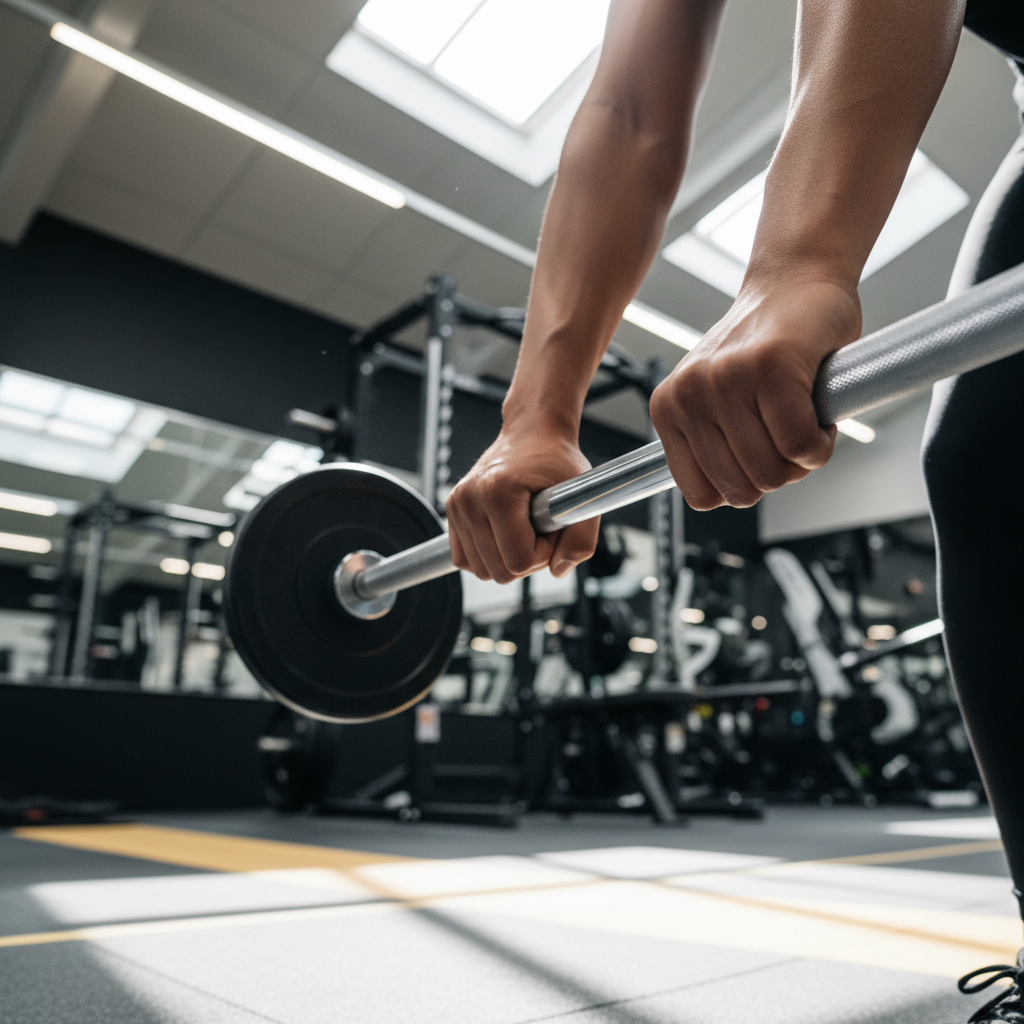
One of the most persistent myths about personal training is that lifting weights will automatically make you bulky. Many believe that incorporating weightlifting into their routine will lead to an overly muscular physique, especially women. However, this is far from the truth. Achieving significant muscle mass requires a specific diet, hormonal balance, and training regimen. For most people, weightlifting helps in toning muscles and boosting metabolism without excessive bulk.
The Science Behind Muscle Growth
Muscle growth, or hypertrophy, demands a calorie surplus, targeted exercises, and often, genetic predisposition. Without these factors, lifting weights primarily aids in building strength, improving bone density, and enhancing overall fitness. So, don't shy away from the weights; they are your allies in achieving a fit and healthy body.
Myth 2: Cardio Is the Best Way to Lose Weight
While cardio exercises like running or cycling are excellent for cardiovascular health, relying solely on them for weight loss is a common mistake. Weight loss is fundamentally about creating a calorie deficit, which can be achieved more efficiently by combining cardio with strength training. Strength training helps build lean muscle, which in turn increases your resting metabolic rate.

The Balanced Approach
A balanced fitness regimen that includes both cardio and strength training is ideal for sustainable weight loss. This combination not only burns calories but also preserves muscle mass, ensuring that the weight lost is primarily fat. Additionally, strength training can prevent the metabolic slowdown that often accompanies significant weight loss.
Myth 3: You Need to Work Out Every Day
Another widespread belief is that working out every day is necessary to see results. In reality, rest days are crucial for recovery and muscle growth. Overworking your body without sufficient rest can lead to burnout, injuries, and diminished results. The key is to listen to your body and allow it time to recover.

Importance of Rest
Incorporating rest days into your fitness routine aids in muscle repair and growth. It also prevents mental fatigue, keeping your workouts effective and enjoyable. Aim for at least one to two rest days per week, depending on your fitness level and workout intensity.
Myth 4: Spot Reduction Works
Many people believe they can lose fat from specific areas of the body through targeted exercises, a concept known as spot reduction. However, this is a myth. Fat loss occurs throughout the body and is largely influenced by genetics, diet, and overall physical activity.
Effective Fat Loss Strategies
To effectively lose fat, focus on a combination of a healthy diet and a well-rounded exercise routine. Prioritize full-body workouts, maintain a calorie deficit, and stay consistent with your fitness program. Over time, you'll notice fat loss in various parts of your body, not just targeted areas.
Myth 5: More Sweat Equals a Better Workout
It's a common assumption that the more you sweat, the more effective your workout is. While sweating is a sign that your body is cooling itself, it doesn't necessarily correlate with the number of calories burned or the intensity of your workout. Factors like temperature, humidity, and individual sweat rates play a significant role.

Measuring Workout Effectiveness
To gauge the effectiveness of your workout, focus on other metrics such as heart rate, perceived exertion, and progress over time. Remember, a workout can be effective without leaving you drenched in sweat. The key is consistency and gradually increasing the intensity of your workouts.